158/H, Makarpura GIDC, Behind Manjalpur Police Station, Makarpura, Vadodara, Gujarat - 390010




Choosing cleaning machines for a business involves more than comparing prices or selecting the most…
- 5 minute read
- Product Tips
Cleaning large floors, removing stubborn dirt, and maintaining hygiene across commercial facilities can consume significant staff time. Manual methods may be suitable for small areas, but they can become inefficient when businesses need to clean extensive floor spaces, multiple rooms, or high-traffic areas regularly.
The right equipment helps cleaning teams complete repetitive tasks more efficiently while maintaining consistent results. However, simply purchasing powerful machines does not guarantee faster cleaning. Businesses must consider facility size, floor surfaces, cleaning frequency, and the type of dirt they need to remove. Selecting suitable Professional Cleaning Equipment can help streamline daily routines, reduce unnecessary manual effort, and improve staff productivity. A well-planned cleaning process also minimises repeated work and helps teams use their available time more effectively.
Choose Equipment Based on Facility Size
The size and layout of a facility directly influence cleaning time. Small offices may require compact machines that can navigate narrow spaces, while warehouses and large commercial buildings may benefit from equipment designed to cover wider floor areas.
Before selecting Professional Cleaning Equipment, evaluate the total cleaning area, aisle widths, obstacles, and accessibility requirements.
- Small spaces: Compact vacuum cleaners and single-disc machines can suit specific cleaning requirements.
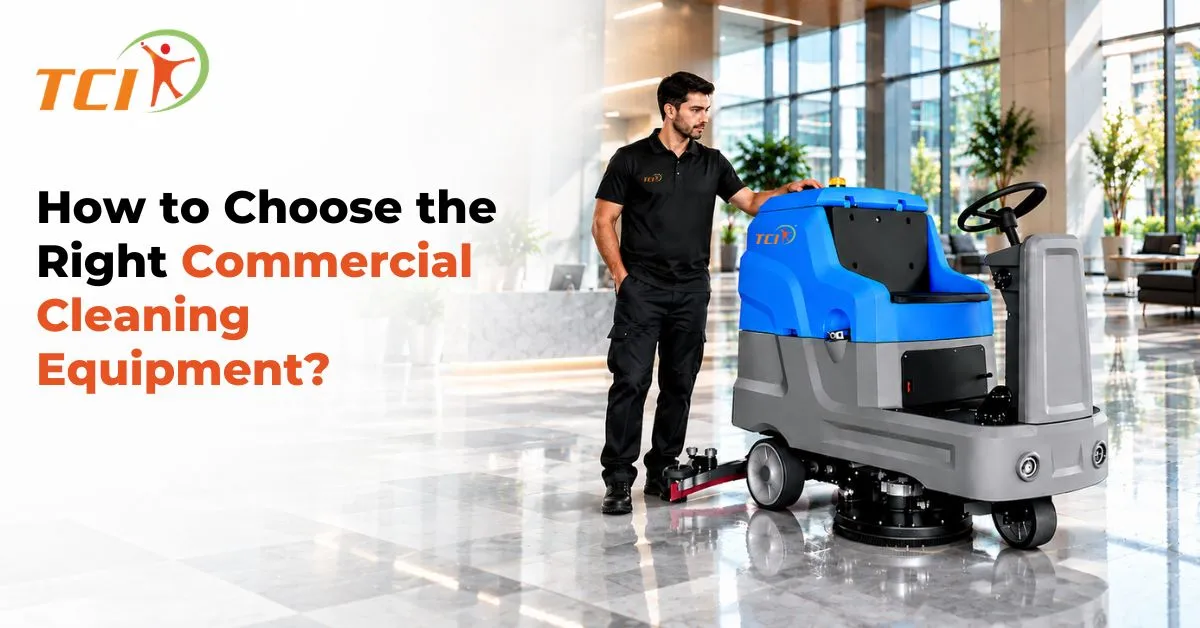
- Medium-sized facilities: Walk-behind scrubber driers can help clean floors more efficiently.
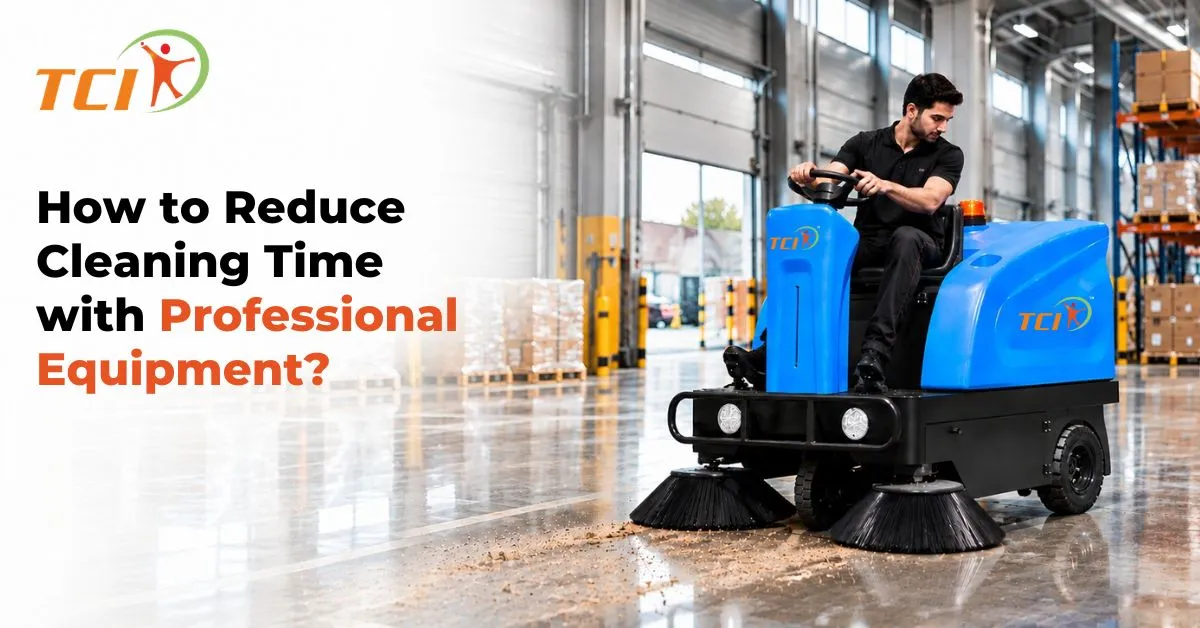
- Large facilities: Ride-on scrubbers and sweepers may reduce the time needed to cover extensive areas.
Matching machine capacity to the facility prevents unnecessary movement and improves workflow.
Match Machines to Cleaning Tasks
Using one tool for every cleaning task can slow down operations. Different machines are designed for specific applications, so selecting suitable Professional Cleaning Equipment helps teams avoid inefficient methods.
| Equipment type | Primary application |
|---|---|
| Scrubber driers | Washing and drying hard floors |
| Sweepers | Collecting dust and loose debris |
| Vacuum cleaners | Removing dust and dirt from floors and other surfaces |
| High-pressure washers | Cleaning suitable surfaces with pressurised water |
| Carpet extractors | Cleaning carpets and upholstery |
| Single-disc machines | Supporting floor scrubbing, polishing, and maintenance |
Choosing the correct machine reduces unnecessary manual work and helps staff complete tasks using appropriate cleaning methods.
Standardise the Cleaning Workflow
Even effective machines can waste time when staff follow inconsistent procedures. Create a clear cleaning sequence based on the facility layout and daily priorities.
When Professional Cleaning Equipment is incorporated into a standard workflow, teams can organise tasks logically and reduce repeated movement.
- Remove loose debris before wet floor cleaning.
- Clean from less contaminated areas towards dirtier sections where appropriate.
- Keep cleaning supplies and accessories organised.
- Assign specific zones to team members.
- Schedule high-traffic areas according to their cleaning requirements.
A consistent routine makes it easier to coordinate staff and avoid cleaning the same area more than once.
Need help choosing the right cleaning equipment for your facility? Contact us to discuss your cleaning requirements and find suitable solutions for your business.
Maintain Equipment for Consistent Performance
Poorly maintained machines can cause interruptions, uneven cleaning, and additional work. Regularly inspecting Professional Cleaning Equipment helps identify issues before they disrupt scheduled cleaning activities.
Check brushes, vacuum filters, squeegee blades, hoses, and other applicable components according to manufacturer instructions. Empty collection tanks and clean equipment after use. Replace worn parts when required, and train operators to use machines correctly.
Preventive maintenance helps reduce avoidable downtime and keeps equipment ready for routine operations. Following recommended maintenance schedules also supports reliable day-to-day performance.
Measure Cleaning Time and Productivity
Track how long different tasks take before and after introducing new machines. Record the area cleaned, staff hours, equipment downtime, and recurring cleaning problems.
Reviewing these measures helps businesses determine whether their Professional Cleaning Equipment is improving operational efficiency. If a task still takes too long, investigate whether the machine suits the surface, whether staff need additional training, or whether the workflow needs adjustment.
Frequently Asked Questions
Machines can automate repetitive tasks such as floor scrubbing, sweeping, and vacuuming. This reduces manual effort and allows staff to cover suitable areas more efficiently.
Ride-on scrubber driers and sweepers may suit extensive floor areas. The best option depends on floor type, debris levels, cleaning frequency, and available space.
No, Different machines serve different purposes. Selecting equipment according to the surface and cleaning requirement generally produces a more practical workflow.
Regular maintenance helps prevent breakdowns, worn components, and interruptions. It also supports consistent operation and reduces avoidable delays during scheduled cleaning.
Yes, Trained operators can use machines correctly, follow efficient cleaning sequences, avoid unnecessary passes, and recognise basic maintenance requirements.
Conclusion
Reducing cleaning time requires more than simply increasing staff numbers or purchasing larger machines. Businesses need a practical approach that combines suitable equipment, organised workflows, trained operators, and regular maintenance. Assessing the facility layout and matching machines to specific cleaning tasks can help eliminate unnecessary manual work and repeated passes.
Investing in appropriate Professional Cleaning Equipment can support more efficient floor maintenance, improve task consistency, and help teams manage their daily responsibilities. Businesses should also review cleaning times and equipment performance periodically to identify where further improvements are possible. By selecting machines according to operational needs rather than relying on price or size alone, facilities can develop a cleaning routine that makes better use of staff time and available resources.
Commercial Cleaning EquipmentEfficient Cleaning SolutionsIndustrial Cleaning EquipmentProfessional Cleaning Machines
Related Posts