158/H, Makarpura GIDC, Behind Manjalpur Police Station, Makarpura, Vadodara, Gujarat - 390010





- 5 minute read
- Top Listing
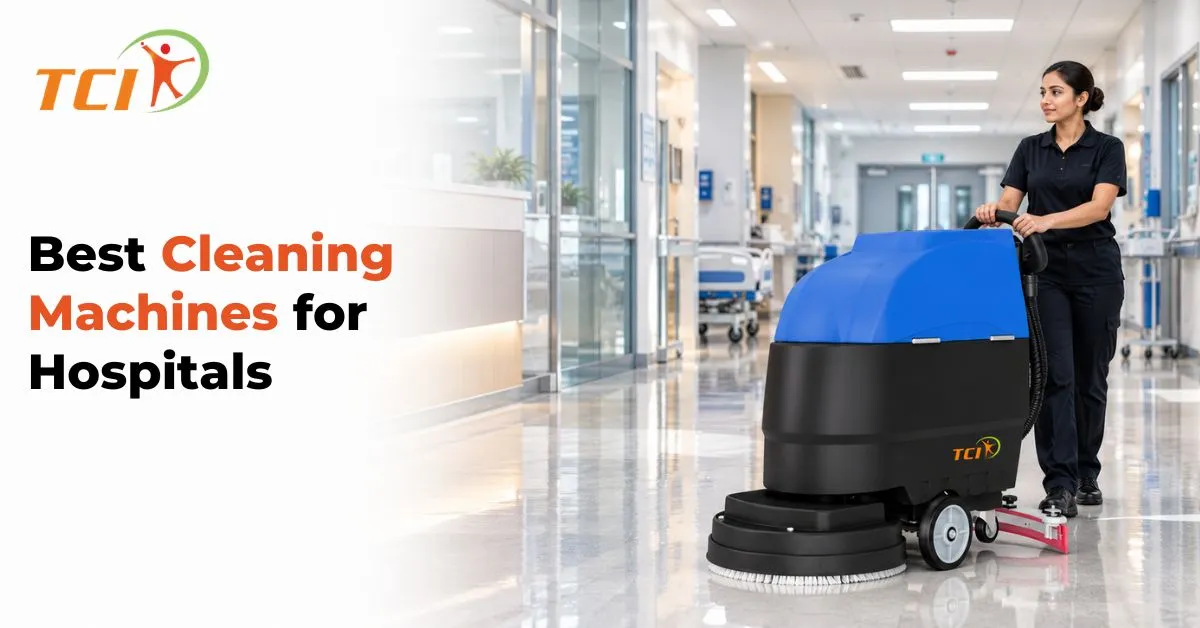
Hospitals require consistent cleaning to maintain hygienic surroundings across patient rooms, corridors, waiting areas, operating departments, and other healthcare spaces. Manual cleaning methods remain essential for many tasks, but suitable machines can help housekeeping teams manage larger areas, remove dirt efficiently, and maintain routine cleaning schedules.
Selecting the right equipment depends on floor surfaces, room layouts, cleaning frequency, and the type of contamination being addressed. The most suitable Cleaning Machines for Hospitals should support efficient operations without interfering with patient care or creating unnecessary noise and disruption. Hospitals must also consider manoeuvrability, ease of maintenance, operator training, and compatibility with approved cleaning procedures. Since different areas have different hygiene requirements, equipment should be selected according to its intended application rather than relying on a single machine for every task.
1. Assess Hospital Cleaning Requirements
Before purchasing equipment, identify the areas that require cleaning and how frequently each area must be maintained. Corridors and waiting rooms have different requirements from patient rooms, washrooms, and specialised clinical areas.
Choosing Cleaning Machines for Hospitals starts with evaluating floor materials, available storage, accessibility, and the volume of daily cleaning work.
- Large corridors: Consider equipment designed for efficient hard-floor cleaning.
- Patient rooms: Prioritise compact machines that can navigate restricted spaces.
- Waiting areas: Look for practical solutions suited to frequent cleaning.
- Carpeted areas: Consider suitable vacuum cleaners or carpet extraction machines where permitted.
- Washrooms: Select equipment and accessories appropriate for the surfaces and approved cleaning procedures.
2. Which Cleaning Machines Are Best for Hospitals?
Different machines support different cleaning tasks. The following options can help hospitals build an equipment selection suited to their facility.
| Machine type | Suitable applications |
| Scrubber driers | Cleaning and drying compatible hard floors |
| Vacuum cleaners | Removing dust and loose debris from suitable surfaces |
| Sweepers | Collecting loose dirt in larger areas |
| Single-disc machines | Scrubbing or maintaining compatible floors |
| Carpet extractors | Deep cleaning suitable carpets and upholstery |
| High-pressure washers | Cleaning appropriate exterior or designated hard surfaces |
Selecting Cleaning Machines for Hospitals according to the task helps housekeeping teams avoid unsuitable methods and unnecessary manual effort. Equipment must also be appropriate for the specific healthcare environment.
3. Prioritise Hygiene, Safety, and Ease of Use
Hospital cleaning equipment should be practical to operate, easy to maintain, and suitable for the facility’s hygiene procedures. Noise levels, manoeuvrability, cord management, and the risk of wet floors are important considerations in occupied healthcare buildings.
When comparing Cleaning Machines for Hospitals, check whether the equipment can be cleaned between uses and whether its accessories can be managed according to hospital protocols. Staff should follow approved procedures for disinfectants, surface contact times, and equipment segregation where required.
Machines support routine cleaning, but they do not automatically disinfect every surface or replace infection-prevention protocols. High-risk areas may require specialised procedures established by the hospital’s infection-control team.
Need help selecting cleaning equipment for your hospital? Contact us to discuss your cleaning requirements and explore suitable options for your facility.
4. Consider Maintenance and Operating Costs
Purchase price is only one factor in selecting cleaning equipment. Hospitals should also consider servicing, replacement parts, consumables, operator training, and equipment downtime.
Well-maintained Cleaning Machines for Hospitals can help cleaning teams maintain consistent performance and avoid preventable interruptions. Follow manufacturer recommendations for cleaning tanks, inspecting brushes, replacing worn squeegee blades, and maintaining filters where applicable.
Before purchasing, confirm that the equipment can be serviced conveniently and that staff can use it safely. A demonstration can help teams assess whether a machine suits their facility layout and daily workload.
Frequently Asked Questions
Scrubber driers, vacuum cleaners, and single-disc machines are commonly considered for different floor-cleaning tasks. The right choice depends on floor material, available space, cleaning frequency, and hospital procedures.
Scrubber driers can help clean compatible hard floors in corridors and other suitable areas. Hospitals should consider machine size, noise, manoeuvrability, drying performance, and the need to keep walkways safe during cleaning.
Suitable vacuum cleaners may be used where permitted by hospital protocols. Equipment selection should account for noise, filtration requirements, surface type, and any restrictions established by the infection-control team.
No. Machines can support routine cleaning, but they do not replace approved disinfection procedures. Staff must follow hospital protocols for disinfectants, contact times, equipment handling, and infection prevention.
Maintenance frequency depends on the machine and manufacturer recommendations. Staff should clean equipment after use where required, inspect relevant components regularly, and arrange servicing according to the prescribed schedule.
Conclusion
Choosing suitable cleaning equipment helps hospitals maintain orderly, hygienic environments while managing demanding daily workloads. The best solution depends on the facility’s layout, floor surfaces, cleaning frequency, and specific operational requirements. Scrubber driers, vacuum cleaners, sweepers, and carpet extractors each serve different purposes, so equipment selection should be based on practical applications rather than price alone.
Investing in appropriate Cleaning Machines for Hospitals can support more efficient housekeeping routines, reduce repetitive manual work, and improve consistency across suitable areas. Regular maintenance, proper staff training, and compliance with hospital infection-control procedures remain equally important. By assessing their needs carefully and comparing equipment features, healthcare facilities can select practical solutions that support safe, effective cleaning operations.